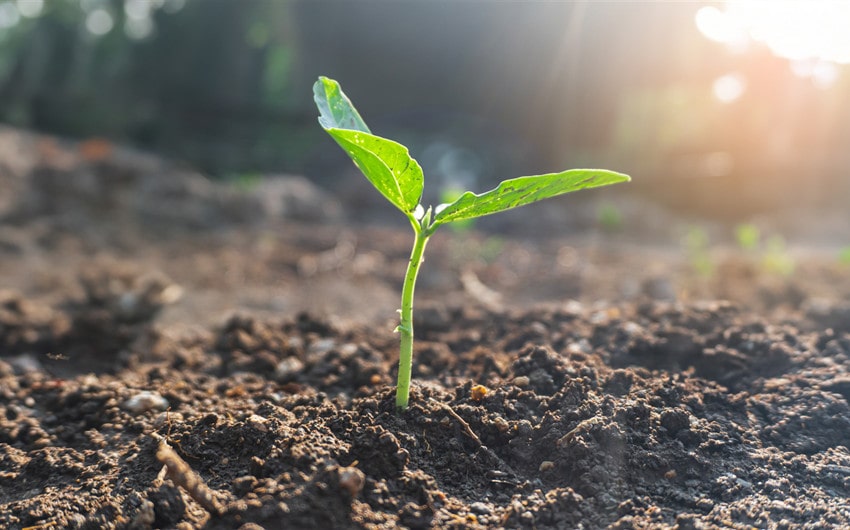
Learning to Grow Without Forcing the Season of Personal Change
There is a quiet frustration that comes from wanting to grow faster than life allows. Learning to grow without forcing the season means understanding that real change has its own timing, and that rushing it often creates more harm than progress.
Why We Feel Pressure to Grow Before We’re Ready
Much of the pressure to grow comes from comparison. We watch other people move forward, reach milestones, or appear settled while we still feel unfinished. Social media amplifies this feeling, turning growth into something that looks fast, visible, and linear. When growth is presented this way, it’s easy to believe we’re behind.
But growth rarely happens on a shared timeline. What looks like sudden progress is usually the result of long periods of invisible work. When we compare our inner process to someone else’s outer results, we misjudge where we actually are. The discomfort we feel is not a sign of failure. It’s often a sign that something is still forming.
Understanding Seasons as Natural Phases, Not Delays
Every season has a purpose. Some seasons are for building, others for resting, and some for letting things fall away. We tend to honor the productive seasons and resist the quieter ones, labeling them as stagnation or regression. In reality, these slower periods often hold the most important groundwork.
A season that looks like waiting may actually be teaching patience, clarity, or self-trust. A season that feels unproductive may be creating space for something more aligned to emerge. Growth does not always look active. Sometimes it looks like stillness, reflection, or learning what no longer fits.
The Cost of Forcing Growth Too Soon
When we force growth, we often bypass essential lessons. We push ourselves into changes we haven’t emotionally or mentally prepared for, which can lead to burnout, resentment, or a sense of emptiness even after reaching a goal.
Forced growth tends to be rooted in fear: fear of falling behind, fear of being judged, or fear that staying where we are means something is wrong with us. Decisions made from fear rarely lead to fulfillment. They may create movement, but not meaningful progress.
True growth feels steadier. It doesn’t require constant urgency. It builds confidence instead of anxiety. When growth is forced, it often collapses under pressure because the foundation wasn’t ready to support it.
How Slowness Strengthens What You’re Becoming
Slowness allows integration. When growth happens gradually, we have time to understand ourselves at each stage. We notice what feels right, what feels misaligned, and what needs adjustment. This awareness creates resilience.
Growing slowly also gives us time to develop skills, boundaries, and emotional maturity alongside our external progress. Without this balance, success can feel hollow. Slowness ensures that when change arrives, we’re capable of sustaining it.
There is strength in moving at a pace that honors your capacity. Slowness is not weakness. It is often the reason growth lasts.
Letting Go of the Timeline You Thought You Needed
Many of us carry timelines we never consciously chose. We absorb expectations about where we should be by certain ages or stages of life. When reality doesn’t match these expectations, shame often follows.
Letting go of these timelines doesn’t mean abandoning ambition. It means redefining success on your own terms. It means allowing your life to unfold in a way that reflects your values rather than external pressure.
When you release rigid timelines, you create room for growth that feels authentic. You stop measuring your worth by speed and start measuring it by alignment.
Signs You’re Actually Growing, Even If It Doesn’t Look Like It
Growth isn’t always visible. Sometimes it shows up as improved self-awareness, better boundaries, or a quieter inner dialogue. You might notice that you react differently than you used to, or that certain patterns no longer hold the same power over you.
You may find yourself choosing rest without guilt, saying no more often, or questioning beliefs you once accepted without thought. These subtle shifts indicate deep internal growth, even if nothing dramatic has changed externally.
Just because your life doesn’t look different yet doesn’t mean you are unchanged. Some of the most important growth happens beneath the surface.
Trusting the Work That Happens in the Background
There is a kind of work that doesn’t produce immediate results. It happens internally, through reflection, healing, and quiet decision-making. This work often goes unnoticed, even by ourselves.
Trusting this process requires faith in yourself. It means believing that what you’re doing now matters, even if you can’t see where it’s leading yet. Background work builds emotional stability, self-trust, and clarity, all of which are essential for future growth.
Nothing is wasted. Every moment of reflection, rest, and recalibration is contributing to who you are becoming.
How to Support Your Growth Without Rushing It
Supporting growth without forcing it starts with listening. Pay attention to what your body, emotions, and intuition are telling you. Growth that feels constantly exhausting or stressful may be out of sync with your current season.
Create space for reflection rather than constantly seeking the next step. Journaling, walking, or simply sitting with your thoughts can provide insight that action alone cannot.
Focus on small, sustainable changes instead of dramatic transformations. Consistency matters more than intensity. Gentle effort, applied regularly, often leads to deeper and more lasting growth.
Redefining Progress as Depth, Not Speed
Progress is often measured by how quickly something changes. But depth matters more than speed. Deep growth creates understanding, compassion, and stability. It allows you to move forward without losing yourself in the process.
When you redefine progress as depth, you stop chasing constant improvement and start valuing presence. You notice how far you’ve come internally, even if your external circumstances haven’t shifted dramatically.
This perspective transforms growth from a race into a relationship with yourself.
Learning to Rest Without Guilt
Rest is not the opposite of growth. It is part of it. Many seasons require rest so that clarity and energy can return naturally. Resisting rest often leads to forced action that feels misaligned.
Rest allows you to absorb lessons, recover emotionally, and reconnect with your needs. When you rest without guilt, you give yourself permission to exist without constantly proving your worth.
Growth that includes rest is more balanced and sustainable.
Honoring the Season You’re In Right Now
Every season deserves respect. Even the ones that feel uncomfortable or unclear. Honoring your current season means showing up honestly rather than trying to escape it.
This might look like accepting uncertainty, allowing yourself to change your mind, or acknowledging that you don’t have all the answers yet. When you stop resisting where you are, you create the conditions for natural growth to occur.
You don’t need to rush toward the next phase. When the time is right, movement will feel less forced and more natural.
Becoming Comfortable With Slow Becoming
Learning to grow without forcing the season is ultimately about trust. Trust in your timing. Trust in your capacity. Trust that growth does not need to be dramatic to be meaningful.
Slow becoming allows you to build a life that feels rooted rather than reactive. It teaches you to value patience, presence, and self-respect. Over time, this approach creates growth that is not only visible but deeply felt.
You are not behind. You are becoming. And that process is unfolding exactly as it needs to.